
Prayer Strategies for Interceding for Your Nation
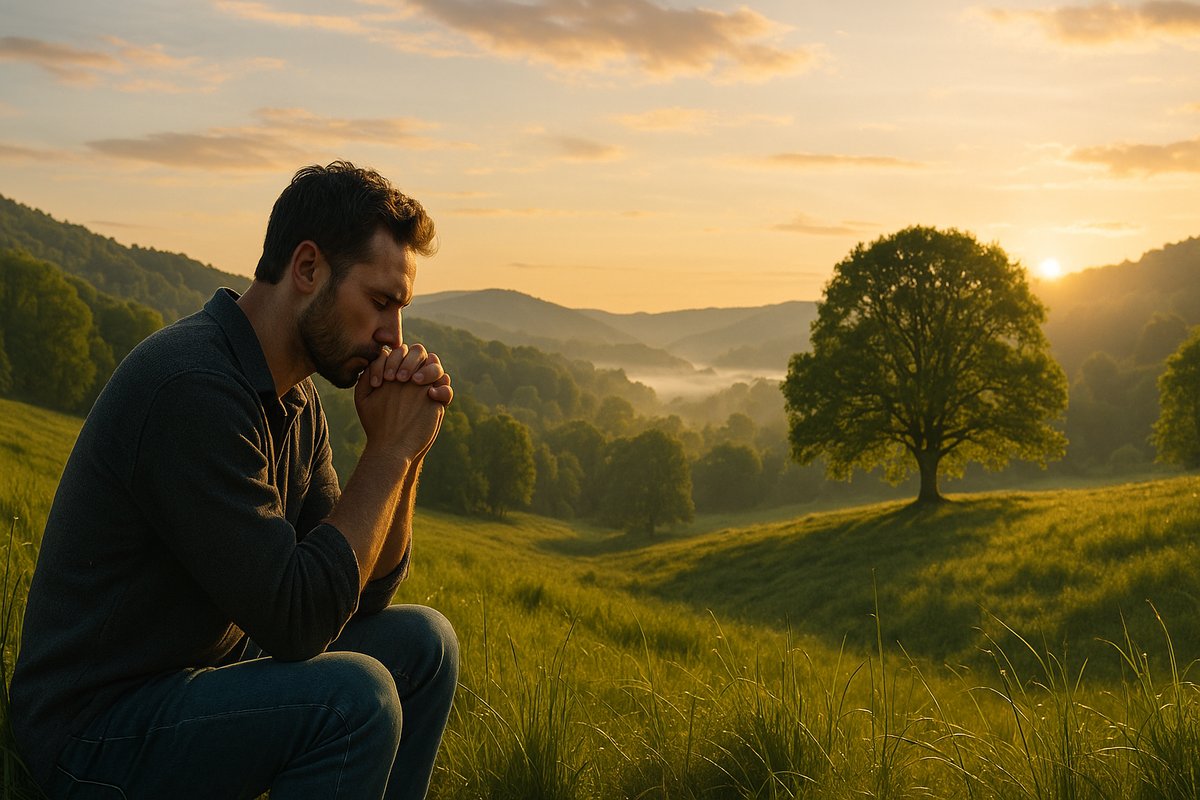
Beloved, when we talk about prayer strategies for interceding for your nation, we are not simply discussing a private discipline. We are answering a holy call to stand in the gap for the land God has placed us in. In the Black church tradition, this kind of intercession has never been optional. From the hush arbors to the civil rights marches, our mothers and fathers understood that the prayers of the saints could move heaven on behalf of a whole people. In twenty years behind the pulpit, I have watched this scripture transform lives and entire neighborhoods when God’s people finally got serious about crying out for their country.
Scripture gives us a clear blueprint. Second Chronicles 7:14 remains the cornerstone: if His people will humble themselves, pray, seek His face, and turn from their wicked ways, then He will hear from heaven, forgive sin, and heal the land. The Black church has always understood this passage in a particular way. We know that revival does not begin in the halls of Congress but in the hearts of those willing to repent together. First Timothy 2:1-2 reinforces the call, urging us to offer petitions, prayers, intercessions, and thanksgivings for all people, especially for those in authority. Jeremiah 29:7 pushes us even further, commanding exiles to pray for the peace and prosperity of the very city that held them captive. That word still speaks to communities today that feel overlooked or oppressed.
The apostle Paul’s instruction in 1 Timothy 2:1-4 reveals the heart behind national intercession. When we pray for those in authority, we create spiritual space for the gospel to advance freely and for people to live peaceable, quiet lives in godliness and reverence. This is not about political preference but about creating conditions where spiritual transformation can flourish. Paul reminds us that God desires all people to be saved and to come to the knowledge of the truth. Our prayers for our nations become a conduit through which God’s redemptive will moves across populations and generations.
Developing consistent prayer strategies for interceding for your nation calls for intentional structure. Set aside dedicated time each day—morning devotions or evening reflection—and focus on specific areas: government, schools, families, and the church. Keep a prayer journal. I have seen saints in my own congregation go back years later and weep over answered prayers they had almost forgotten. Divide your nation into regions or key sectors. Pray for government officials on Mondays, educational systems on Tuesdays, economic justice on Wednesdays. This keeps our intercession from becoming vague and ensures the Holy Spirit can highlight real needs.
Consider also the power of praying Scripture back to God for your nation. This ancient practice, called lectio divina combined with intercession, allows you to align your prayers with God’s revealed will. Take passages like Psalm 33:12 (“Blessed is the nation whose God is the Lord”) or Isaiah 26:3 (“You will keep in perfect peace those whose minds are steadfast, because they trust in you”) and pray them specifically for your country. Ask God to make your nation a people whose God is the Lord. Petition Him to grant leaders and citizens the peace that surpasses understanding. This Scripture-saturated approach prevents our prayers from drifting into mere opinion-voicing and anchors them in eternal truth.
Many intercessors receive specific burdens or prophetic impressions. Test them against Scripture and seek wise counsel, just as our elders have always taught us. Adding worship and listening prayer sharpens these strategies and creates space for God to reveal strongholds that need breaking. Enhanced prayer strategies for interceding for your nation often include fasting. When fasting joins worship, spiritual sensitivity increases. History bears witness—from Esther to the early church to the sustained prayer movements of 1857-1858 in America—that unified seasons of fasting and prayer have produced dramatic national turnarounds and over a million conversions alongside social reforms.
Daniel’s intercession for Jerusalem in Daniel 9 offers us a profound model for national prayer. Notice that Daniel did not distance himself from his nation’s sin. He included himself in the confession, praying “we have sinned” even though he personally had walked faithfully. This posture of corporate repentance, where we acknowledge our nation’s failures as our own responsibility, invites God’s healing in ways that accusatory or distant prayer cannot. When we intercede this way—identifying with our nation’s brokenness rather than standing in judgment—we position ourselves as part of the solution rather than merely critics of the problem.
Corporate gatherings multiply effectiveness. Whether through church prayer meetings, online networks, or community prayer walks, coming together fulfills the promise that where two or three agree, God moves powerfully. Rotate leadership and focus areas so the work stays fresh and no one burns out. Passing these strategies to the next generation secures long-term impact. Involve children and youth in age-appropriate ways—praying for leaders during family devotions or creating prayer maps for their schools. This fulfills the command to train up a child in the way they should go. Young people who learn to intercede for their nation early develop a lifelong commitment to seeing God’s kingdom advance in the public sphere.
Research from the Barna Group shows that nearly 70 percent of practicing Christians in the United States report praying for their nation at least weekly, with higher engagement during election seasons or national crises. A global survey by Operation World estimates that more than 500 million believers participate in some form of organized intercession for their countries each year, often citing 2 Chronicles 7:14 as their motivation. Studies on spiritual disciplines reveal that those who combine Scripture meditation with national intercession experience measurable increases in hope and civic engagement within their communities.
The practice of prayer walking—physically moving through neighborhoods, business districts, or government centers while praying—has proven remarkably effective in many communities. As you walk through areas needing prayer, you shift from abstract intercession to concrete awareness of actual needs, real faces, and specific situations. Prayer walking also creates a visible witness that God’s people are engaged in their communities spiritually, often opening doors for conversation and spiritual influence. Many revival movements have included seasons of coordinated prayer walking that preceded significant social and spiritual transformation.
It is also essential to remember that national intercession is not a substitute for faithful Christian living and civic participation. Prayer must be accompanied by personal integrity, honest engagement with differing perspectives, and a commitment to justice and mercy in our own spheres of influence. When we pray for economic justice on Wednesdays but exploit workers on Thursday, our intercession rings hollow. God seeks intercessors whose prayers flow from genuinely transformed hearts and lives that increasingly reflect Christ’s character and values.
Embracing these prayer strategies positions us as agents of God’s redemptive plan. Through consistent biblical practice, practical organization, and humble dependence on the Holy Spirit, we can witness transformation in our land. God delights in hearing the cries of His people and remains faithful to respond. Let your intercession flow from a heart of love for both God and country, trusting that persistent prayer releases heaven’s purposes on earth.
Sources
- Bible Gateway – 1 Timothy 2:1-2 (NIV) – Scripture on prayer for rulers and authorities
- Got Questions – What is intercessory prayer? – Foundational theology of intercession
- Christianity Today – How to Pray for Your Nation – Practical prayer guidance
- Bible Gateway – 2 Chronicles 7:14 (NIV) – Promise of healing through prayer and repentance
- Got Questions – Should Christians pray about political issues? – Theological perspective on civic prayer