
Interesting Facts About Biblical Archaeology Discoveries
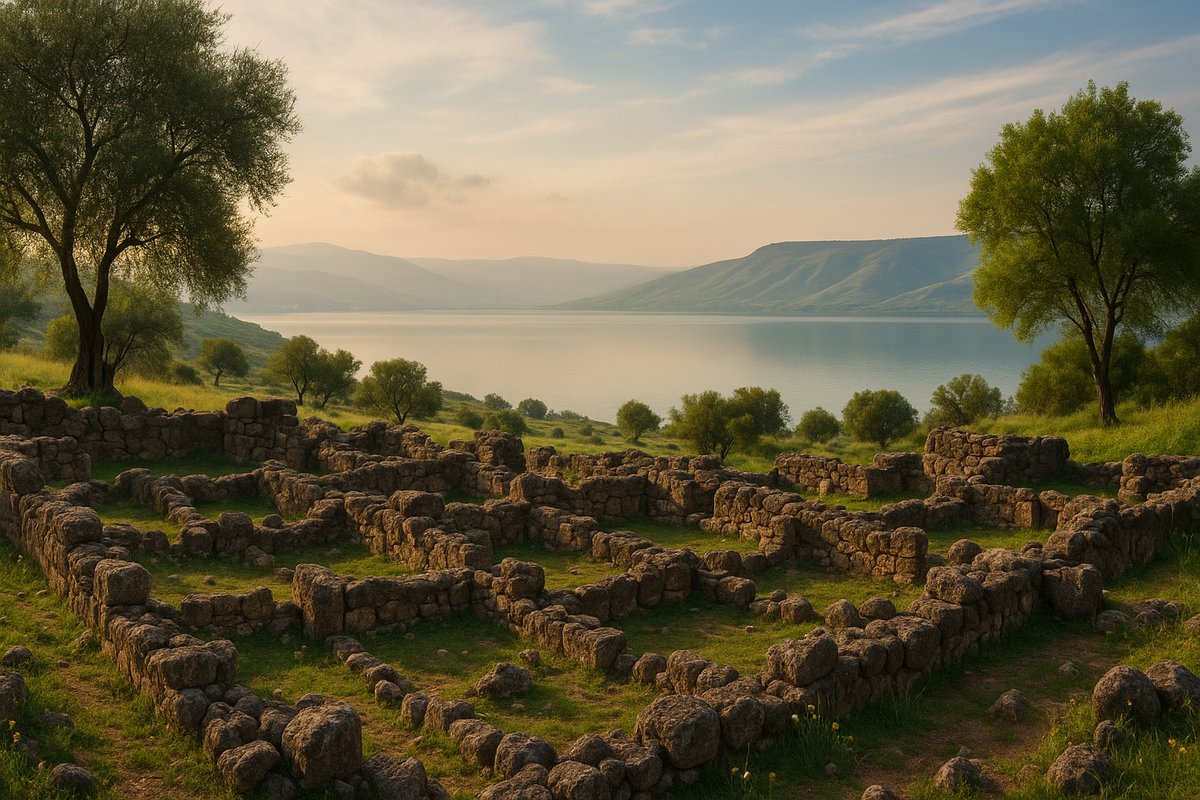
Biblical archaeology discoveries have always stirred my heart during personal study time, reminding me how the Bible isn’t just ancient words on a page but a record rooted in real places and people. In my years leading women’s Bible study, these finds come up again and again as we open our Bibles together, and they invite us to pause in prayer, thanking God for the way His Word holds up under the weight of history. The practical application of this scripture is what matters most—how these discoveries encourage us to linger longer in devotion, letting the evidence fuel our daily walk with Christ rather than just satisfying curiosity.
One discovery that never fails to deepen our group discussions is the Dead Sea Scrolls, uncovered in 1947 near Qumran by Bedouin shepherds. Those jars held over 900 manuscripts, including nearly complete copies of Isaiah, Psalms, and Deuteronomy from the second century BC. They predate other known texts by a thousand years and show remarkable consistency, which aligns so beautifully with Isaiah 40:8 and its promise that the word of the Lord endures forever. I often find myself returning to these scrolls in my own prayer discipline, whispering gratitude for how God has preserved His truth across the centuries so we can trust it in our everyday lives.
The scrolls also include commentaries on the prophets that reveal how ancient communities read messianic hopes. This continuity between Old Testament expectation and New Testament fulfillment in Jesus strengthens our faith as we apply it devotionally—many sisters in our study have shared how reading from the Isaiah scroll during quiet time sparks prayers for renewal and hope that carry into their workdays and family routines.
Another find that supports the Gospels is the Pilate Stone, unearthed in 1961 at Caesarea Maritima. The inscription names Pontius Pilate as prefect of Judea, directly backing the accounts in Matthew 27 and John 18-19. Before this artifact surfaced, some questioned his existence, yet it now anchors our confidence in the trial and crucifixion narratives. In prayer, I often meditate on John 19:16 while reflecting on this stone, letting it draw me into thanksgiving for the historical foundation of our salvation.
Excavations around Jerusalem have also brought first-century homes, ritual baths, and streets to light, matching the cultural details in the Gospels. These sites make passages about the Pool of Bethesda or temple teachings feel more immediate, and I encourage women in study to visualize them during personal devotions, asking the Lord for a fresh encounter with Jesus right where they are.
The Tel Dan Inscription, found in 1993, offers the earliest extra-biblical mention of the “House of David” on a ninth-century BC stele. It affirms the united monarchy in 2 Samuel and 1 Kings, and in my experience it serves as a gentle nudge during prayer to trust God’s covenant promises more fully. Devotional writers often pair David’s psalms with this discovery to remind us that study rewards us with confirming truths.
The Moabite Stone, or Mesha Stele, discovered in 1868, references King Omri and events that parallel 2 Kings 3. These details enrich our understanding of Israel’s neighbors and turn our prayer times toward wisdom for applying ancient lessons to modern challenges like conflict or leadership.
Here are some key facts that often spark lively conversation in our Bible studies:
– Over 50,000 artifacts related to biblical archaeology discoveries have been cataloged from sites in Israel and surrounding regions since the 19th century.
– The Dead Sea Scrolls represent fragments from every Old Testament book except Esther, with the Isaiah scroll being 95% complete and matching modern translations in over 99% of its text.
– More than 120 New Testament manuscript discoveries from the first three centuries confirm the rapid spread of Christian writings shortly after the events they describe.
– Excavations at over 200 biblical sites have yielded coins, seals, and pottery that match chronological details in both Testaments, bolstering Christian faith worldwide.
– Annual visitors to major biblical archaeology locations such as the Church of the Holy Sepulchre exceed 3 million, many of whom report strengthened devotional lives after witnessing the evidence firsthand.
– Recent ground-penetrating radar surveys have identified potential locations of additional scrolls, promising future biblical archaeology discoveries that could further illuminate verses on prayer and worship.
These findings ultimately draw us back to the reliability of Scripture and the God who acts in history. Whether through quiet reflection on the scrolls or gratitude stirred by the Pilate Stone, they enrich our spiritual journeys and call us to live out the hope of Christ with greater boldness each day.