
The Faith Journey of Abraham in Genesis
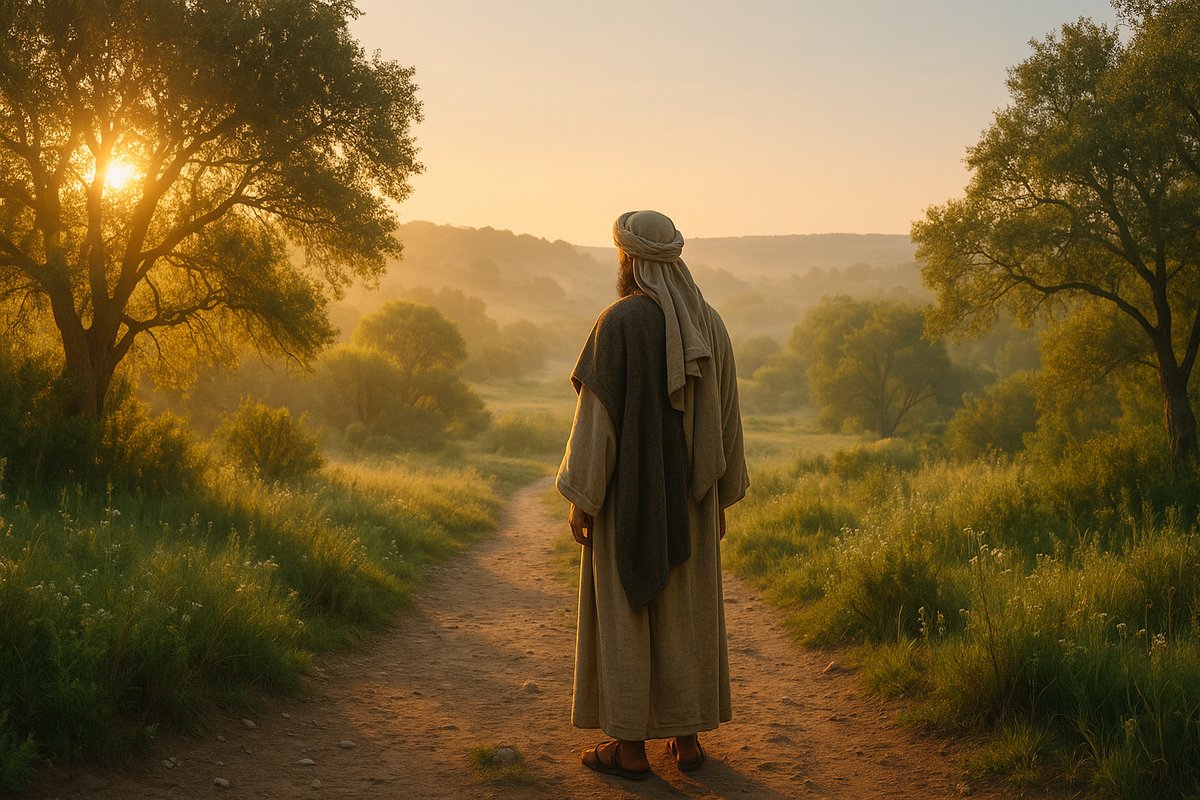
In my years leading women’s Bible study, the faith journey of Abraham in Genesis stands out as one of the most inspiring narratives in Scripture. It shows what unwavering trust in God’s promises looks like when life brings immense challenges. Abraham, first called Abram, walked a path of obedience that laid the foundation for the Israelite nation and still guides believers who want to grow deeper in their own walk with the Lord.
Genesis 12 opens with God’s clear call to leave Ur of the Chaldeans and head toward a land He would reveal. At seventy-five, Abram left behind everything familiar—home, family ties, and security. He obeyed at once, taking Sarai, Lot, and all their possessions into the unknown. This simple response models how we can answer God’s voice today through consistent prayer and time in Scripture.
When the family reached Canaan, Abram built altars at Shechem and Bethel. Those public acts of worship kept his heart steady in uncertainty. Yet a famine soon tested him, and fear sent the household to Egypt where Abram stumbled by calling Sarai his sister. Even strong faith can falter, but God’s grace restores. Prayerful reflection on Genesis 12:10-20 teaches us both resilience and the habit of quick repentance.
The practical application of this scripture is what matters most. After separating from Lot, Abram received fresh reassurance in Genesis 15. God confirmed the covenant with a smoking firepot and the promise of descendants like the stars. Abram believed, and that faith was credited as righteousness. The same truth strengthens us when circumstances feel impossible.
Abraham’s intercession for Sodom in Genesis 18 shows how faith moves into bold, compassionate prayer. He pleaded for the righteous right down to ten people, revealing a heart that had shifted from self-protection to kingdom concern. In my own prayer discipline I often return to this passage, asking the Lord to grow that same outward focus in me.
Further trials came with the birth of Ishmael and the long wait for Isaac. These seasons prepared Abraham for deeper trust in God’s timing. Genesis 17 records the name change to Abraham, “father of many nations,” and the covenant sign of circumcision given when he was ninety-nine.
No moment captures the height of his trust more than Genesis 22, when God asked for Isaac as a burnt offering. Abraham rose early, prepared the journey, and believed God could raise his son from the dead. A ram appeared at the last moment, showing God’s provision. This account prefigures Christ’s sacrifice and invites us to surrender our own “Isaacs”—dreams, comforts, or relationships—into the Father’s hands.
Understanding Abraham’s faith journey requires looking closely at the cultural and historical context in which he lived. Ur of the Chaldeans was an advanced civilization with temples, commerce, and established family structures. For Abram to leave meant abandoning the comfort of urban life and the security of ancestral ties. In ancient Near Eastern culture, family honor and lineage were paramount. His willingness to break from that norm at seventy-five demonstrates remarkable courage rooted entirely in his trust of God’s voice. This context makes his obedience even more striking for modern readers who sometimes assume faith was easier in biblical times.
The repeated pattern of testing throughout Abraham’s life reveals something crucial about spiritual maturity. Each trial—the famine in Egypt, the conflict with Lot, the waiting for an heir, Ishmael’s birth, and finally the sacrifice of Isaac—refined his faith rather than destroyed it. These weren’t punishments but rather invitations to deeper trust. When we face repeated difficulties in our own spiritual journey, we can view them similarly: not as signs of God’s displeasure, but as opportunities for our faith to grow stronger and more mature.
One often-overlooked aspect of Abraham’s story is his relationship with his household. Genesis 14:14 mentions that Abraham had trained three hundred and eighteen men born in his house. This detail reveals that Abraham was not only a man of faith but also a leader and teacher. His faith was not private or isolated but actively shaped those under his care. His example reminds us that our personal faith journey naturally influences others. When children, family members, or those we mentor observe us trusting God through challenges, we communicate more powerfully than words ever could.
Abraham’s mistake with Hagar deserves deeper reflection. When Sarah remained childless after years of waiting, she suggested that Abram take her servant Hagar as a surrogate. By human logic, this made sense—a way to fulfill God’s promise of descendants while the couple was still waiting. Abram agreed, and Ishmael was born. Yet this solution, born from impatience rather than faith, created consequences that rippled through generations. The conflict between Ishmael and Isaac’s descendants remains relevant today. This episode teaches us that even when our methods seem logical or even culturally acceptable, moving ahead of God’s timing creates complications. True faith sometimes means waiting without taking matters into our own hands.
The covenant ceremony in Genesis 15 provides another enriching layer to Abraham’s faith story. God didn’t simply make promises; He formalized them through ancient covenant ritual. The smoking firepot and flaming torch passing between the animal parts wasn’t random ceremony—it was the most binding oath available in that culture. By participating in this ritual, God was essentially saying, “May I be divided if I break this covenant.” This radical commitment from the Almighty should strengthen our confidence that God honors every promise He makes to us today.
Abraham’s prayer for Sodom also demonstrates how mature faith produces intercession. His negotiation with God—starting at fifty righteous people and working down to ten—wasn’t bargaining but rather passionate advocacy. He stood in the gap for an entire city, driven not by obligation but by transformed character. This shows that as we grow in faith, we naturally become more concerned with God’s justice and mercy extending to others, not just ourselves.
Genesis 23 records a touching detail often missed: Abraham’s grief over Sarah’s death and his careful, dignified purchase of land for her burial. Even in loss, Abraham maintained his honor and faith. He didn’t abandon his sojourner lifestyle to reclaim Ur of the Chaldeans. Instead, he bought land in Canaan—the very land God had promised. This action testified that he still believed God’s promise even after Sarah’s death and near the end of his own life.
Through daily prayer and meditation on these chapters, we learn that true faith shows itself in action. Abraham’s story encourages steady obedience, worship, and intercession that can bless the generations after us.
Here are some key facts that anchor our study:
– Abraham was called at age 75 and lived to 175, a one-hundred-year journey recorded from Genesis 12 to 25.
– Key promises appear across those twelve chapters, covering land, descendants, and blessing to all nations.
– He built at least seven altars, showing consistent devotion even while living nomadically.
– The covenant of circumcision was given at age 99 and involved his entire household of more than three hundred men.
– Isaac was born when Abraham was 100 and Sarah 90, after a twenty-five-year wait.
– Abraham interceded specifically for fifty down to ten righteous people in Sodom.
– The New Testament refers to him more than seventy times, calling him the father of faith.
– His account shapes three major world religions, with Genesis as the primary source.
– Abraham purchased the Cave of Machpelah in Hebron as a burial site, establishing his claim to the promised land even in death.
– His faith is specifically cited in Romans 4:3 and Galatians 3:6 as the model for how believers are justified—not through works but through trust in God’s promises.
The faith journey of Abraham ultimately points us to a God who keeps every promise. As we open these chapters with prayerful hearts, we find fresh courage to trust Him in our own uncertainties. Whether we face delays in answered prayers, seasons of testing, or calls to surrender what we hold dear, Abraham’s example assures us that faithfulness is always noticed by God and always rewarded, often in ways we could never imagine.