
Psalm 23: Discovering the Comfort and Guidance of the Good Shepherd
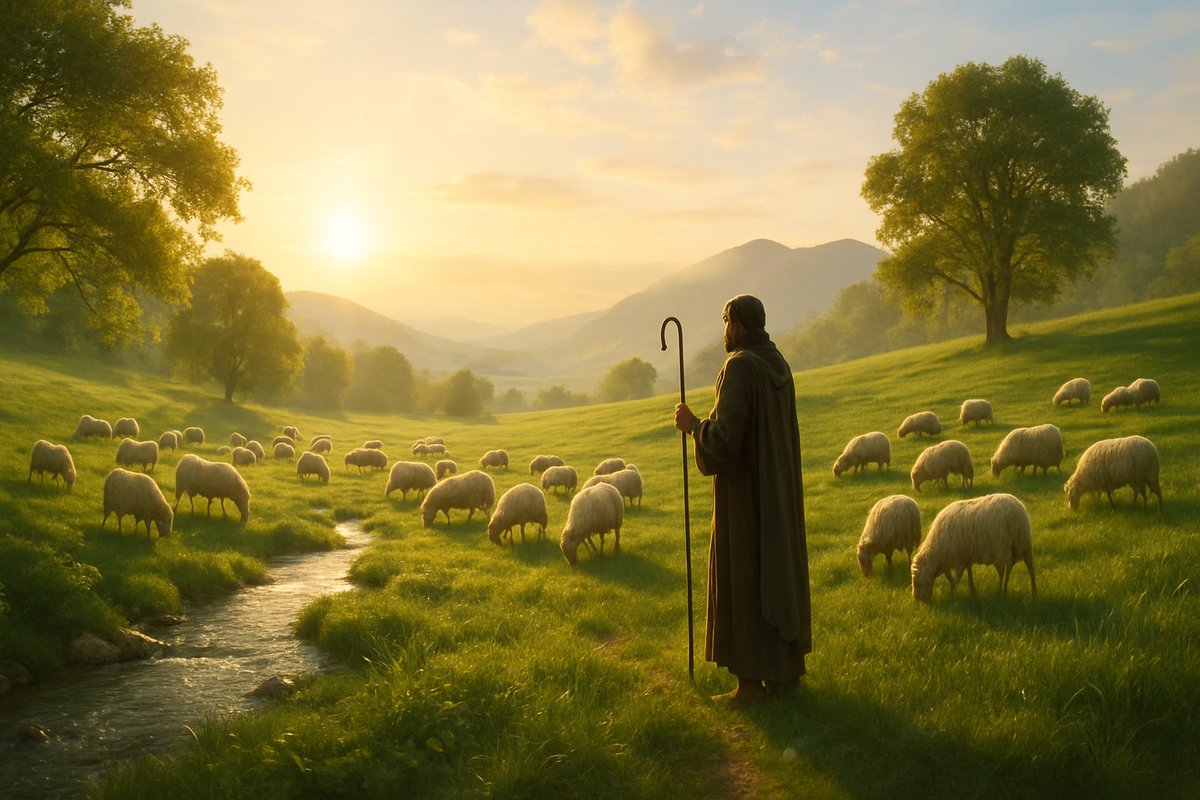
Beloved, few passages in all of Scripture have wrapped themselves around the hearts of God’s people like the twenty-third psalm. In twenty years behind the pulpit, I have watched this short poem steady the trembling hands of mothers at hospital bedsides, give courage to young men facing court dates, and lift entire congregations on Sunday mornings when the offering was thin but the praise was thick. King David, who once tended literal sheep, wrote these words, yet the Black church has always understood them as our own family story. The Lord is still our Shepherd, and because He is, we declare with holy boldness that we shall not want.
Let us walk through the psalm together, verse by verse, the way our mothers and grandmothers taught us to do. “The Lord is my shepherd; I shall not want.” Right from the first line, David sets the foundation. A shepherd does not merely watch; he provides, protects, and leads. When the psalmist speaks of green pastures and still waters, he is describing real places of rest that the Shepherd prepares. In our tradition we have sung these words in four-part harmony because we know what it means to be led beside still waters after seasons of stormy trouble.
The imagery David uses carries profound spiritual weight. Green pastures represent abundance and nourishment—not merely survival, but thriving. In the ancient Near East where David composed this psalm, a shepherd’s ability to find pasture meant the difference between life and death for the flock. Spiritually, this speaks to how God provides not just our basic needs but spiritual sustenance that allows our souls to flourish. The “still waters” are equally significant; shepherds knew that sheep would not drink from rushing water out of fear. Still waters meant safety, peace, and the opportunity to restore oneself. When we come before God in quiet devotion, we too find the stillness our anxious hearts desperately need.
“He restores my soul.” How many times have we testified that the Lord picked us up when life had worn us down? He leads us in paths of righteousness, not for our own reputation but for His name’s sake. The Black church has always read this as a call to community: our individual restoration is meant to strengthen the whole flock so that together we glorify the One who called us. The Hebrew word for “restores” is “shub,” which means to turn back or return. When our souls have wandered into despair, doubt, or sin, the Shepherd does not abandon us but gently turns us back toward the path of right living. This is not condemnation but compassionate redirection.
The paths of righteousness that David mentions are not arbitrary. They are the ways that keep us safe, that align our lives with God’s purposes, that lead us away from harm and toward wholeness. A good shepherd knows the dangerous territory—the cliffs, the predators, the poisoned water sources—and deliberately guides the flock away from these threats. Similarly, our Good Shepherd knows the spiritual dangers that threaten us and guides us away from temptation and toward the way of life.
Then comes the valley. “Yea, though I walk through the valley of the shadow of death, I will fear no evil.” We have walked that valley—in hospital corridors, at gravesides, and in neighborhoods where violence seemed to have the last word. Yet the rod and the staff have never left us. The same tools that defend the sheep also correct their wandering steps. In our lived experience, God’s presence turns fear into testimony; the valley becomes the very place where we learn that His comfort is not theoretical but tangible.
Notice the language carefully: the valley of the shadow of death, not death itself. There is a profound difference. A shadow cannot harm us; it is the absence of light, but it is not the substance itself. When we walk through valleys—seasons of profound loss, illness, grief, or uncertainty—we are not walking through death. We are walking through the shadow, and shadows pass. The Shepherd’s rod and staff provide both comfort and protection. The rod was used to defend against predators; the staff was the shepherd’s crook, used to guide, to rescue, and even to gently correct. Both instruments speak of the Shepherd’s active involvement in our lives.
Scripture itself connects the dots from David’s pasture to the Gospels. From Genesis onward, God is pictured gathering scattered sheep and binding up the broken. Jesus later declares in John 10 that He is the Good Shepherd who lays down His life. The rod and staff therefore point us to both protection and loving discipline. When we see this thread running through the whole Bible, our appreciation deepens for how God watches over every detail of our lives together. In the Gospel of John, Jesus makes it clear that His shepherding includes laying down His life for the sheep—the ultimate act of protection and sacrificial love.
Life still brings valleys—illness, grief, economic uncertainty. Psalm 23 insists these are passages, not permanent addresses. Even when enemies gather, the Shepherd prepares a table. The anointing oil and the overflowing cup speak of extravagant grace that the community shares. We have seen tables set in the presence of trouble: church suppers after layoffs, rent paid anonymously, children mentored by elders who refused to let the next generation fall. Goodness and mercy do not merely follow us; they pursue us all the days of our lives.
The table prepared in the presence of enemies deserves special attention. In ancient times, sharing a meal was the ultimate sign of covenant and peace. When God prepares a table for us even while enemies surround us, it is a declaration of protection and favor. The anointing of our heads with oil was a practice of hospitality and honor in biblical culture—reserved for special guests or occasions. The cup that overflows speaks to abundance so great that it cannot be contained. These are not minimal provisions but extravagant blessings, poured out generously. God does not merely meet our needs; He overwhelms us with His goodness.
So how do we walk with the Shepherd each day? Begin the morning by confessing, “The Lord is my shepherd,” and hand your worries over to Him. This daily declaration is not mere repetition but an active surrender of our concerns to His care. When decisions press, seek the still waters of prayer and the Word the way our mothers taught us. Keep a journal of the restorations you have already received; it will strengthen your faith for the next valley. In the Black church we have always known that faith is not private property but a shared inheritance. When one member rejoices, the whole body rejoices; when one weeps, we all feel the tear.
Consider also the practice of memorizing this psalm. Many generations have carried Psalm 23 in their hearts, and in moments of crisis or despair, the words come flooding back with comfort and assurance. When we hide God’s Word in our hearts, we give ourselves a resource that cannot be taken from us. The rhythm and poetry of the psalm make it naturally memorable, and this is by design. God gave us poetic Scripture so that it would lodge itself in our hearts and minds, available to us precisely when we need it most.
The psalm also invites us to examine our own shepherding of others. If the Lord is our Shepherd, how are we called to shepherd those within our sphere of influence? Parents shepherd children, teachers shepherd students, leaders shepherd communities. The qualities of the Good Shepherd—provision, protection, guidance, restoration, and extravagant grace—become the model for how we care for one another. In this way, Psalm 23 is not only about what we receive but about what we are called to give.
Ultimately, this psalm invites every one of us to dwell in the house of the Lord forever. Its words have carried generations from fear to peace and from want to abundance. The promise is not that we will never face valleys, but that we will never face them alone. The Shepherd is with us through every dark passage, leading us always toward the green pastures and still waters that await. May the same Shepherd who led David lead you, and may our community keep walking together until we see Him face to face.